Tiered Rewards Driving Player Retention at Michigan Resorts Focused on Baccarat and Slots
Anna Lange · Aug 13, 2026
Tiered Rewards Driving Player Retention at Michigan Resorts Focused on Baccarat and Slots
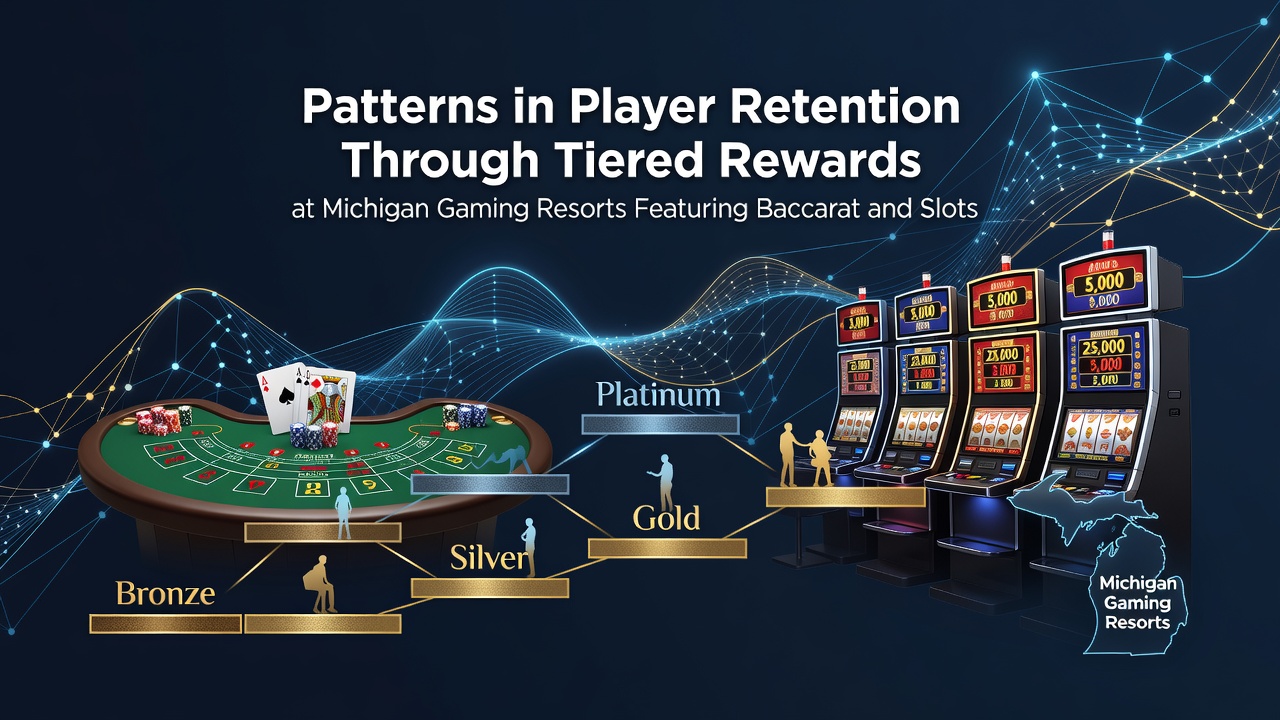
Michigan gaming resorts that combine baccarat tables with extensive slot floors have adopted tiered reward structures to shape how players return over time, and records from teh Michigan Gaming Control Board indicate steady growth in loyalty program participation through 2025 and into mid-2026. These systems assign players to bronze, silver, gold, or platinum levels based on tracked play volume, then unlock escalating benefits such as free play credits, hotel stays, and priority access that encourage longer sessions and repeat visits. Observers note that slots players often accumulate points faster through high-volume spins while baccarat participants build status through longer table sessions, yet both groups show distinct retention curves once they reach mid-tier status.
How Tier Structures Operate Across Michigan Properties
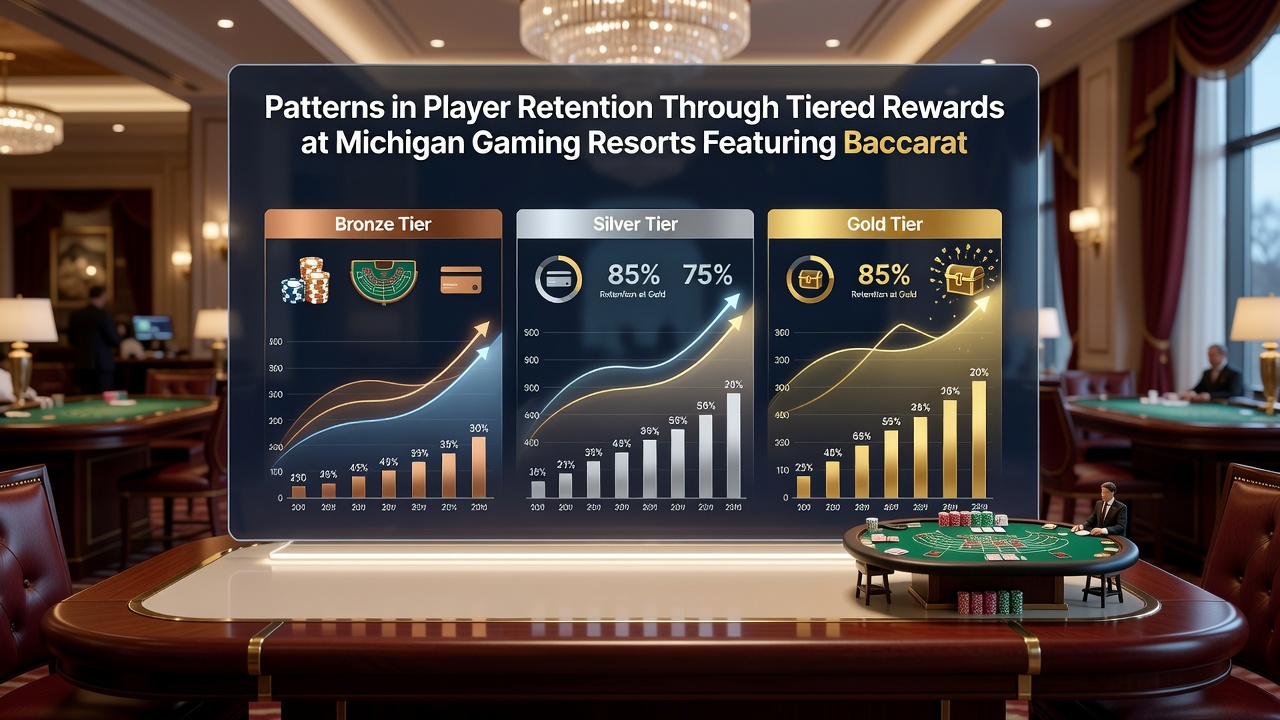
Resorts in Detroit and northern Michigan track coin-in for slots and average bet amounts for baccarat to calculate tier points, which reset or carry forward depending on the program calendar. Players who reach silver status typically receive monthly free play offers and discounted dining, while gold and platinum members gain access to exclusive events and higher cashback percentages. Data from industry reports shows that once a player crosses into gold, the probability of a return visit within 90 days rises compared with base-level participants, because the accumulated benefits create a measurable incentive to maintain activity levels. Resorts adjust point thresholds seasonally, and August 2026 schedules already list additional platinum-only baccarat tournaments that coincide with peak summer tourism.
Retention Patterns Among Slot Machine Users
Slot players at these Michigan venues move through tiers more rapidly when they favor penny and nickel denominations over longer periods, and retention statistics reveal that silver-tier slot enthusiasts return at higher rates than those who remain at entry level. Programs often bundle slot-specific multipliers during weekday afternoons, which helps stabilize attendance during slower periods. One study of Midwest casino data found that players receiving tier-based free spin credits extended their average visit duration by measurable margins, while those who qualified for hotel comps demonstrated even stronger repeat patterns across multiple properties. Resorts monitor these metrics closely because slot floors generate the majority of gaming revenue, making retention in this segment a direct contributor to overall performance.
Baccarat Player Responses to Tiered Incentives
Baccarat participants tend to reach higher tiers through fewer but larger wagers, and their retention shows stronger correlation with experiential rewards such as private table access and dedicated hosts rather than simple free play. Michigan properties have introduced tiered baccarat side bets and progressive jackpots that award additional points, which has shifted some player behavior toward consistent minimum bet requirements to protect status. Figures from regulatory filings indicate that platinum baccarat players maintain visit frequency even when overall table traffic dips, because the accumulated perks offset travel costs and create a social component through invitation-only events. This pattern differs from slots retention, where volume-based rewards dominate, yet both segments benefit when programs allow point transfers between game types.
Combined Effects Across Game Types in 2026
Resorts that permit point earning from both baccarat and slots within a single account see smoother tier progression and higher overall retention, because players can offset slower periods at one game type with activity at the other. August 2026 promotions already scheduled at several properties include double-point weekends that apply to both table minimums and slot coin-in, a tactic designed to lift mid-summer engagement. Research from the Canadian Gaming Association highlights similar cross-game loyalty mechanics in comparable markets, where integrated tracking reduced player churn by measurable percentages over two-year observation windows. Michigan operators have adopted parallel approaches, and early indicators suggest continued refinement of these combined structures through the remainder of the decade.
Conclusion
Tiered reward systems at Michigan gaming resorts continue to shape retention outcomes for both baccarat and slots players through carefully calibrated benefits that scale with activity, and ongoing data collection through 2026 will clarify which combinations produce the most durable patterns. Properties maintain these programs by balancing cost against demonstrated return-visit increases, while regulatory oversight ensures transparent point calculations and redemption rules. The interplay between game-specific behaviors and unified loyalty tracking remains a central factor in how these venues sustain player engagement over time.