Integrated Bonuses and App Features Transform Resort Stays at Michigan Gaming Venues
Elena Perry · Aug 6, 2026
Integrated Bonuses and App Features Transform Resort Stays at Michigan Gaming Venues
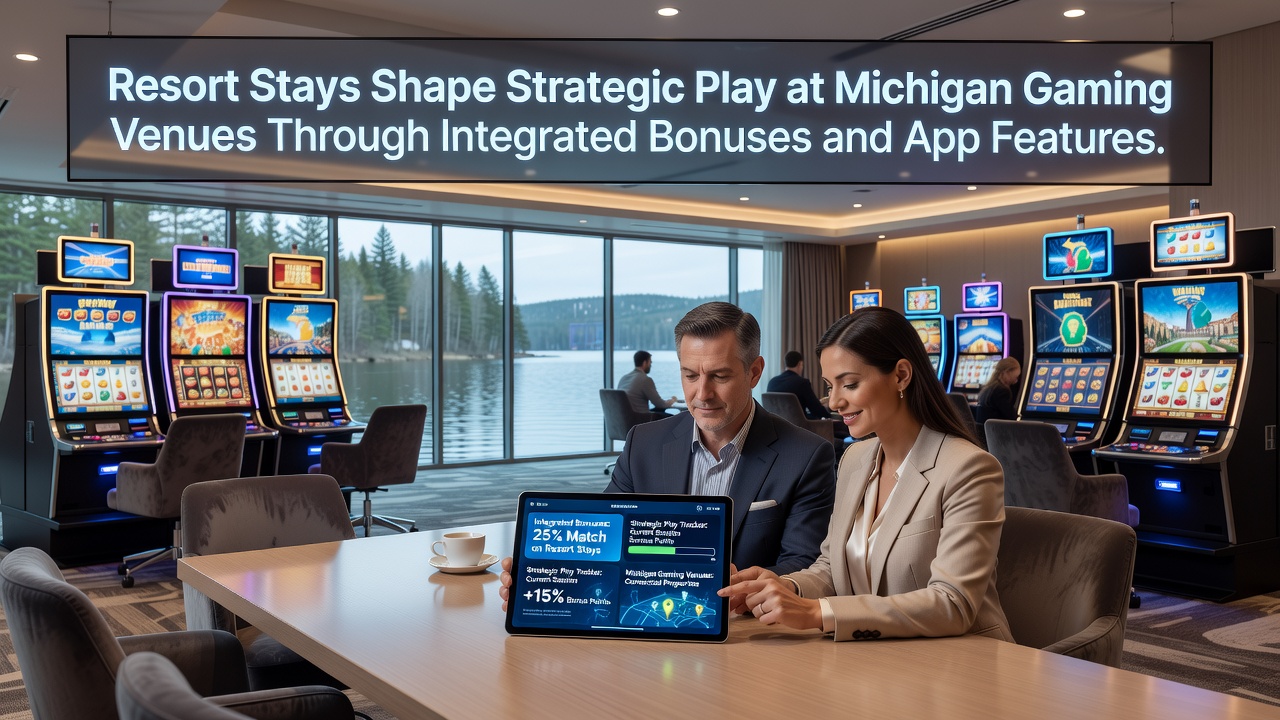
Resort stays at Michigan gaming venues combine hotel accommodations with mobile applications and targeted bonuses that influence how players approach table games and slot machines during multi-day visits. These systems link room reservations directly to player accounts so that extended stays unlock tiered rewards which encourage specific betting patterns and session lengths.
App Integration Connects Accommodations to Gameplay Decisions
Venues across the state embed check-in data into casino loyalty platforms so guests receive real-time notifications about deposit matches and free spin offers that align with their planned activity schedules. Players who book three-night packages often see progressive multipliers applied to daily losses which adjust based on total points earned from both gaming and non-gaming spend at the property. This structure lets participants plan bankroll allocation across longer periods rather than single sessions because the app tracks cumulative play and adjusts available incentives accordingly.
Bonus Structures Guide Strategic Timing and Bet Sizing
Integrated promotions frequently tie resort amenities to gameplay milestones such as minimum hands per hour or average wager thresholds that appear in personalized dashboards. Data from property management systems shows that guests staying through midweek periods receive reload bonuses timed to peak evening hours while weekend packages emphasize volume-based rewards that favor consistent smaller bets over high-variance swings. Observers note that these mechanics become visible when users open the venue app and review upcoming calendar events which list bonus windows tied to specific dates in August 2026 when several properties schedule expanded summer promotions.
Player Tracking Data Reveals Patterns in Extended Visits
Research from the National Center for Responsible Gaming indicates that integrated systems increase average session duration by linking hotel key cards to gaming floor accounts so that every meal purchase or spa service adds points toward bonus eligibility. Those who study these environments find that players adjust their risk levels when they know a resort stay qualifies them for loss rebates that activate only after a set number of qualifying hands or spins. The Michigan Gaming Control Board publishes quarterly reports that track how such cross-promotions affect overall handle without requiring separate registration steps for each offer.
Regional Comparisons Highlight Unique Michigan Approaches
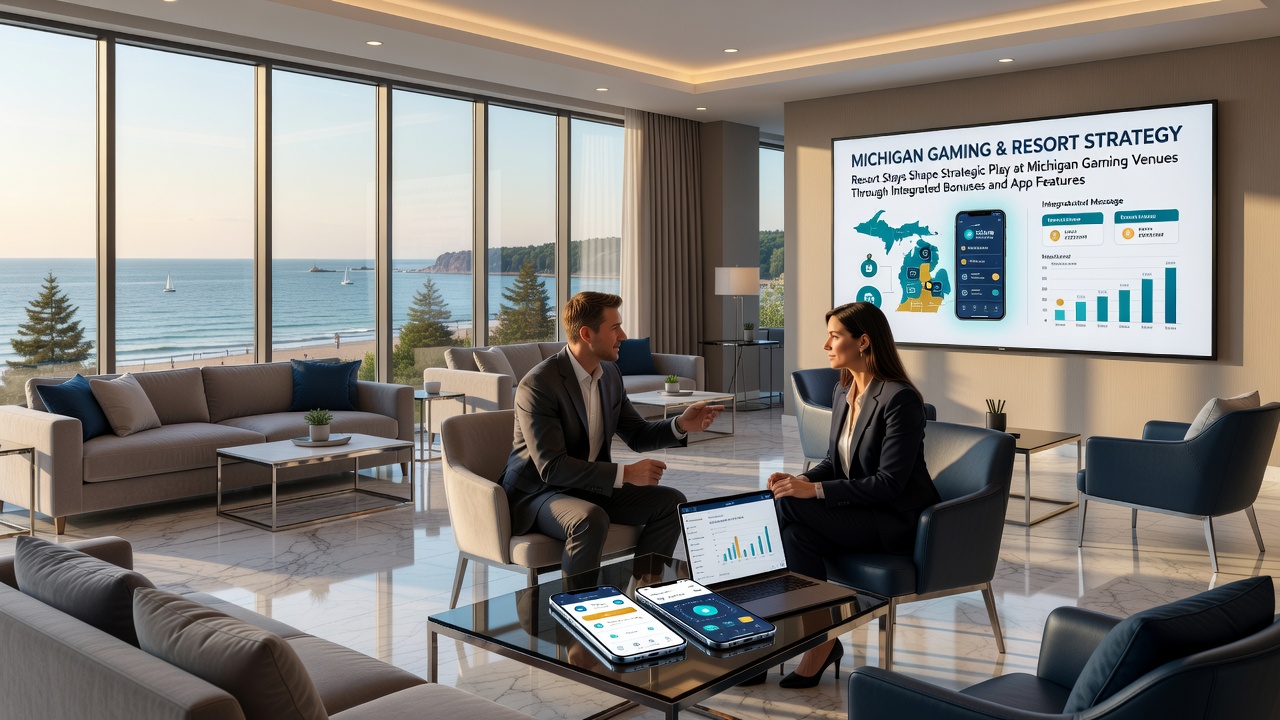
Similar programs operate in other jurisdictions yet Michigan venues emphasize seamless app connectivity between lodging and gaming floors which reduces friction for guests who move between activities throughout the day. Reports from the Australian Gambling Research Centre document comparable loyalty integrations in that country while Canadian provincial data from the Ontario Lottery and Gaming Corporation shows parallel effects on bet sizing when resort packages include daily free play credits. Michigan operators apply these lessons by calibrating bonus release times to match typical guest checkout patterns so that departing players receive final offers designed to encourage return bookings rather than immediate large wagers.
Future Updates Scheduled for August 2026
Property announcements indicate that several Michigan locations will introduce enhanced geofencing features in August 2026 which trigger location-based bonuses when guests remain within resort boundaries during designated hours. These updates build on existing app infrastructure and connect directly to room reservation systems so that strategic decisions about when to play adn how much to wager become part of a single unified interface. Industry organizations such as the American Gaming Association continue to monitor how these technological layers affect player behavior across extended stays without altering core regulatory requirements.
Conclusion
Michigan gaming venues demonstrate how resort infrastructure and mobile technology combine to shape play patterns through structured incentives that reward both time on property and specific gaming activity. The connections between accommodations and app-driven rewards create measurable differences in session planning and risk management that appear consistently in operational data from state regulators and independent research groups. These systems continue to evolve as operators refine the timing and structure of offers to match guest behavior across multi-day visits.